
Composite Bonding
Smile artistry,
sculpted just for you

Fix chips, gaps and uneven edges in a single visit — pain-free, fully reversible, and hand-sculpted to feel unmistakably yours.
As seen in


What Is Composite Bonding?
Composite bonding is a cosmetic dental treatment that uses a mouldable, tooth-coloured resin to reshape and enhance your smile. Whether you are dealing with chips, cracks, gaps, or uneven edges, your dentist applies the resin directly over your natural teeth and sculpts it by hand into the perfect shape.
The best part? The treatment is completely reversible. Because nothing is drilled or removed from your natural tooth structure, your original teeth remain perfectly intact underneath. If you ever want to make changes in the future, you have complete flexibility.
Most treatments are completed in a single visit lasting two to three hours, meaning you can walk into the clinic in the morning and leave with a brand-new smile by lunchtime. No injections, no drilling, no recovery time — just instant, natural-looking results.
Key Features
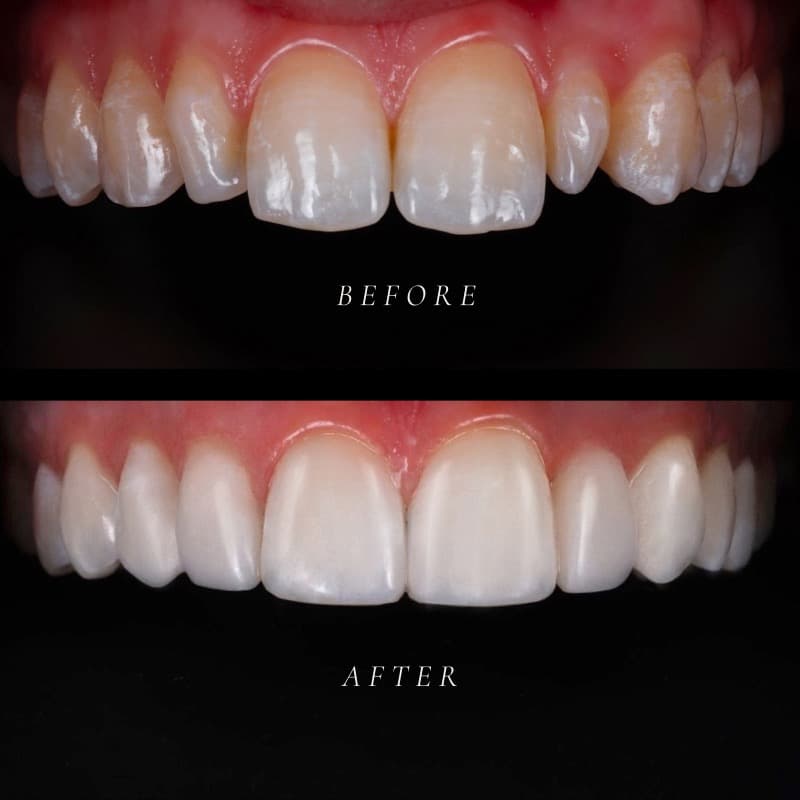
Instant Results
Your entire treatment is completed in a single visit, typically lasting just two to three hours. You will leave the clinic the same day with your brand-new smile — no temporaries, no waiting, no second appointment.
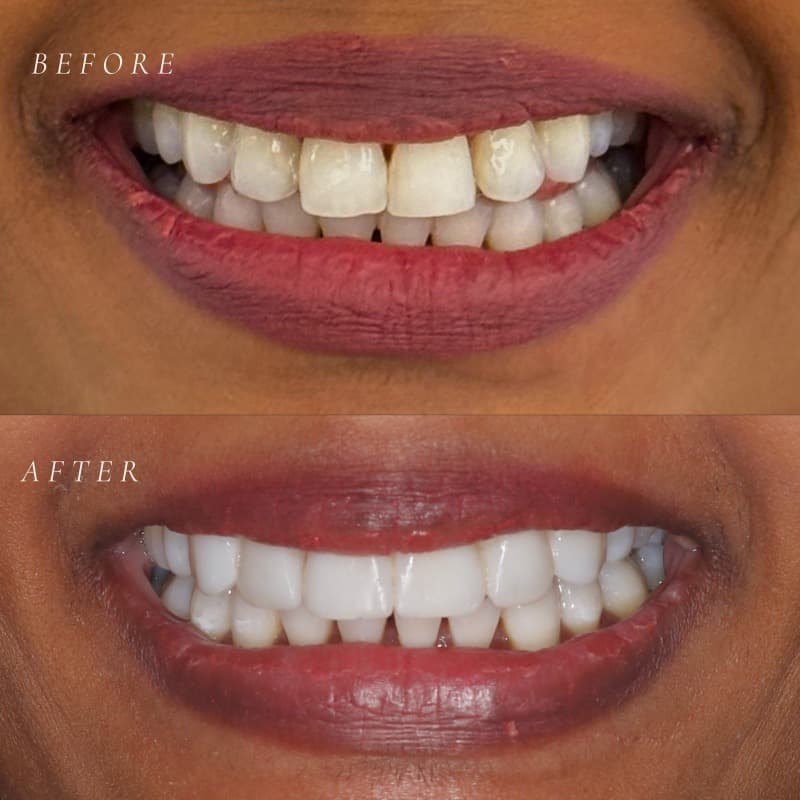
Completely Reversible
Unlike veneers or crowns, composite bonding requires no drilling and no injections. Your natural teeth stay completely untouched underneath, giving you the freedom to change or update your look in the future.
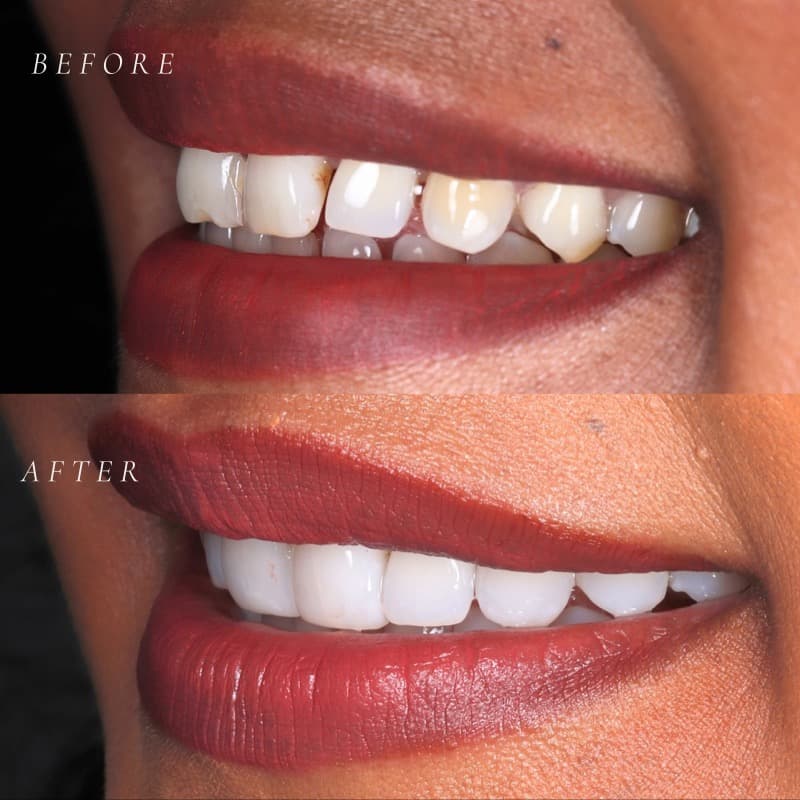
Precision Artistry
Every single tooth is hand-sculpted by Dr Denzel to create a result that looks and feels completely natural. No two smiles are the same — your bonding is shaped, contoured, and shade-matched specifically for you.
How It Works
Smile Design Consultation
Your journey begins with a comprehensive assessment including X-rays, photographs, and shade selection. Together with Dr Denzel, you will create a personalised treatment plan tailored to your smile goals. Your consultation fee of £195 includes everything.
Same-Day Treatment
On treatment day, composite resin is applied to each tooth, carefully sculpted by hand, cured with UV light, and polished to a natural finish. The whole process usually takes two to three hours — and you leave with your new smile.
Aftercare & Maintenance
Looking after your bonding is straightforward. Brush twice daily, avoid very hard foods for the first 48 hours, and attend regular check-ups. With proper care, your composite bonding will last between five and eight years.
Why Choose Denstudio
Award-Winning Expertise
Dr Jana Denzel has been twice awarded Young Dentist of the Year in the UK and has completed over 100 composite bonding transformations. You are in the hands of one of the country's most experienced cosmetic dentists.
Natural-Looking Results
Every tooth is hand-sculpted and shade-matched to blend seamlessly with your natural smile. Our patients regularly tell us that friends and family cannot tell the bonding from their real teeth.
No Pain, No Downtime
No injections are needed and no drilling is involved. You will walk out of the clinic smiling — and you can return to your normal routine immediately. There is zero recovery time.
Transparent Pricing
Composite bonding starts from £350 per tooth with 0% finance available. There are no hidden costs, no surprise fees. You will know exactly what your treatment costs before we begin.
What Can Bonding Fix?
Chipped or Cracked Teeth
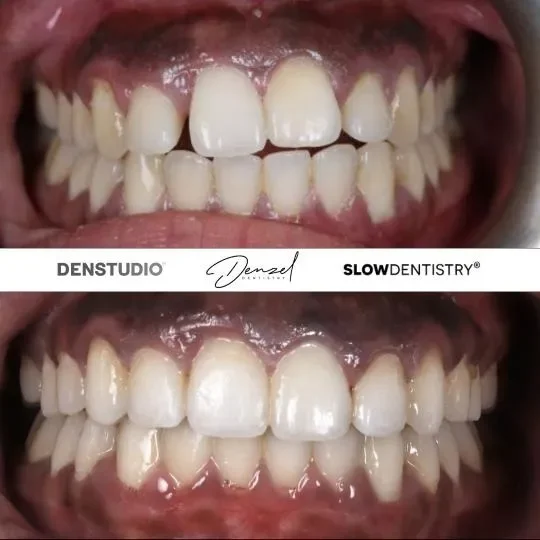
Restore damaged teeth to their original shape with seamless composite resin that blends perfectly with your natural enamel.
Gaps Between Teeth
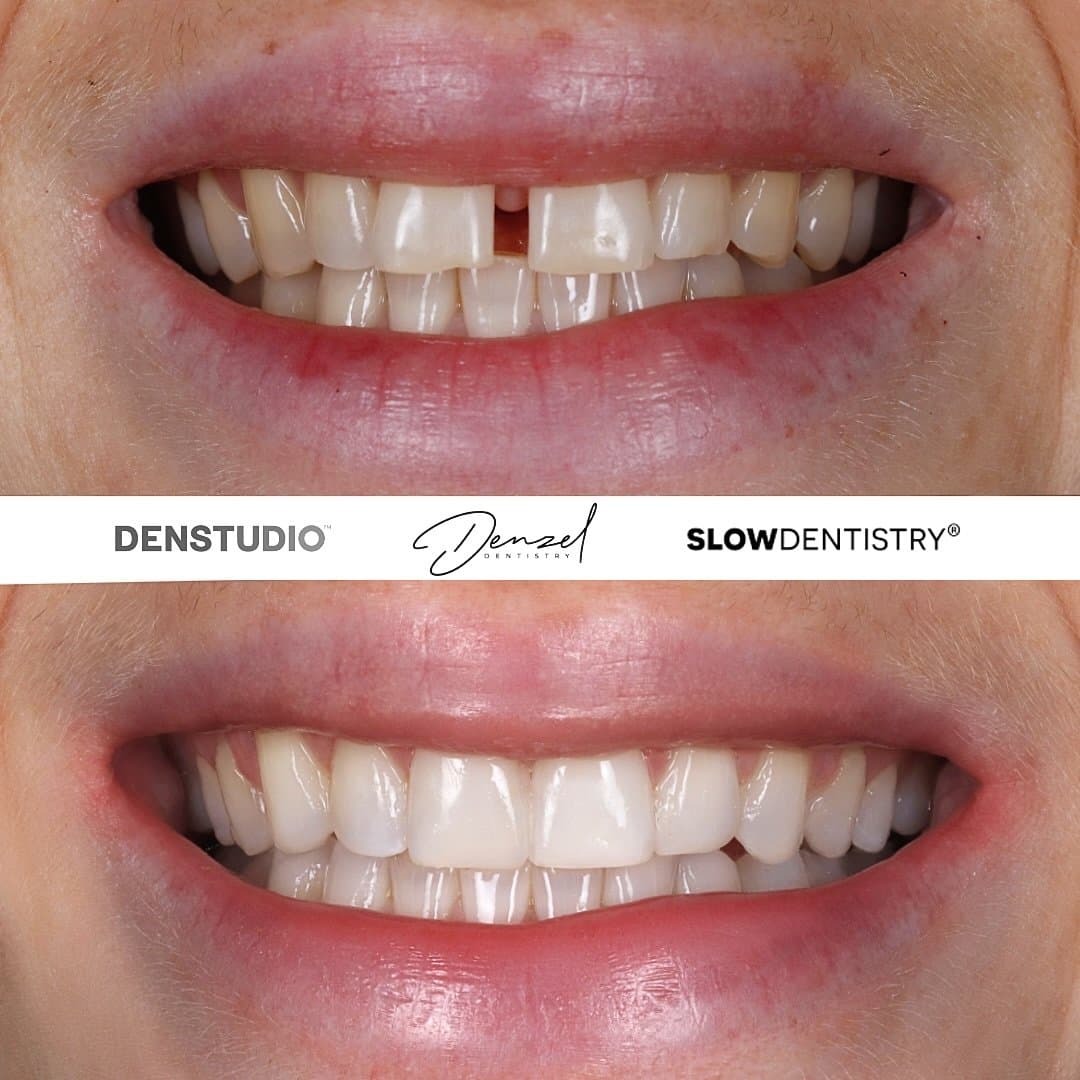
Close unwanted spaces between your teeth without braces or aligners. Bonding fills gaps for a more uniform, confident smile.
Uneven or Short Teeth
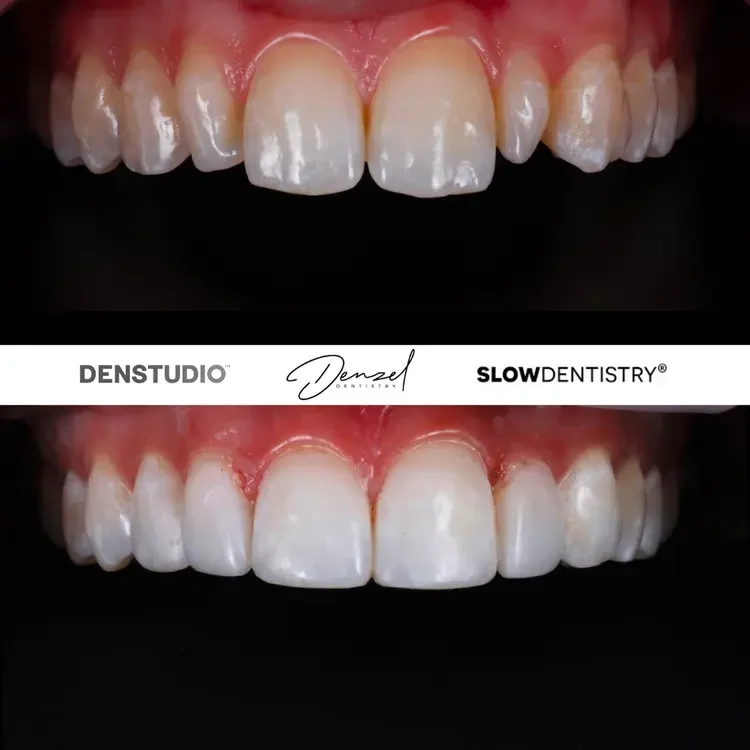
Lengthen and reshape teeth that appear too short, worn down, or uneven to create a balanced, symmetrical smile line.
Discolouration & Staining
Cover stubborn stains and discolouration that whitening alone cannot fix. The resin is shade-matched for a bright, even finish.
Worn Tooth Edges
Rebuild thin, translucent, or rough tooth edges that develop over time from grinding, ageing, or everyday wear and tear.
Minor Misalignment
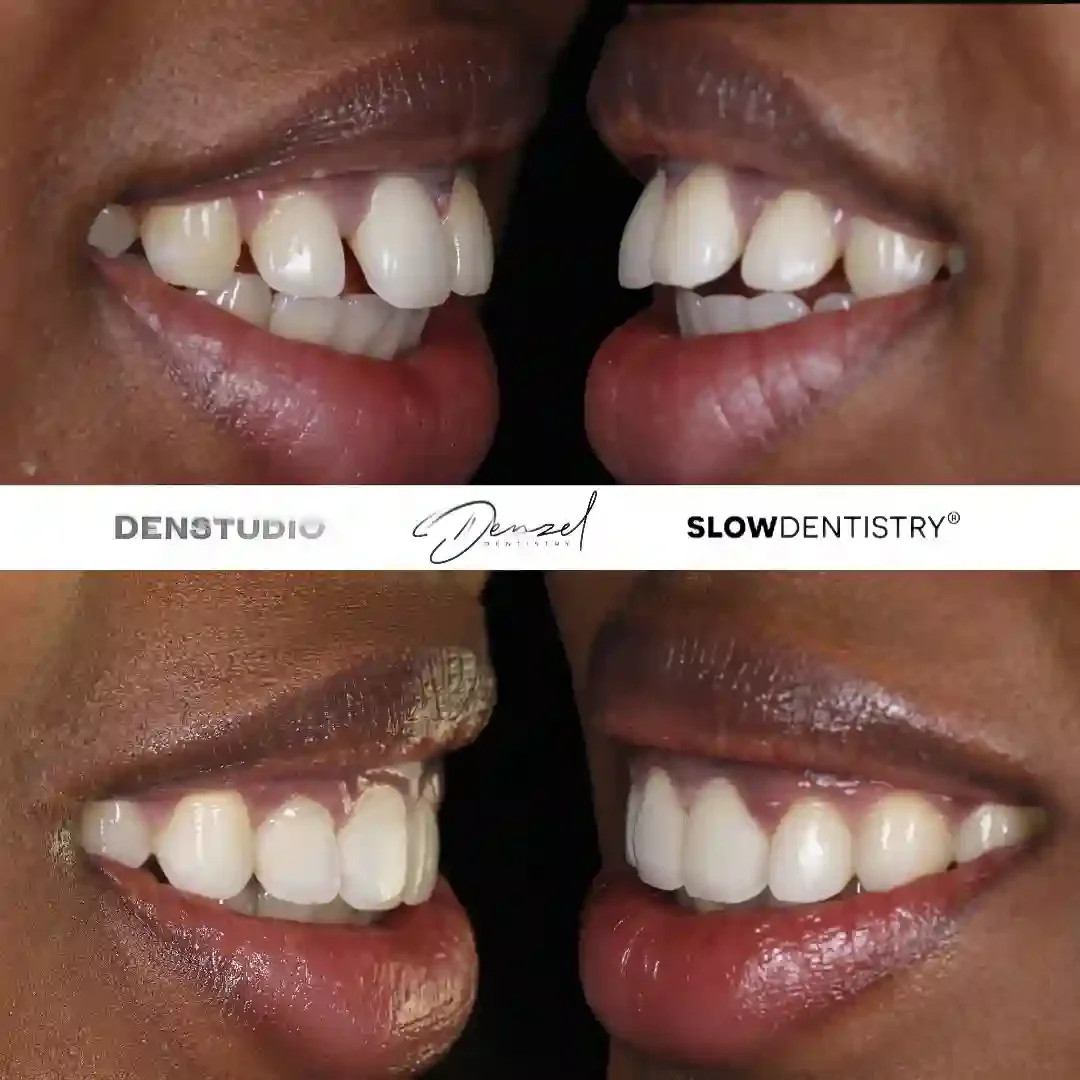
Improve the appearance of slightly crooked or overlapping teeth without orthodontics. Bonding creates the illusion of straighter teeth.
Pricing
Transparent pricing with no hidden costs. 0% finance available on all treatments.
Consultation
£195
Includes X-rays, iTero scan, photographs, and a personalised treatment plan.
Per Tooth
£350
Individual tooth bonding, ideal for repairing a single chip or closing one gap.
Most patients
Top 6 Teeth
£2,100
Save £200
Covers your most visible upper teeth for a noticeable transformation.
Top 8 Teeth
£2,800
Save £350
Our most requested package. Covers all visible upper teeth for a complete smile makeover.
Full Mouth — 20 Teeth
£7,000
Save £900
A complete upper and lower transformation for the ultimate smile makeover.
0% finance available — spread the cost of your treatment with affordable monthly payments.
View Full Fee GuideWhat Our Patients Say


 ★★★★★
★★★★★Dr Jana worked thoroughly on my teeth — so gentle and made me feel completely at ease.
Lula Al Thani
 ★★★★★
★★★★★Been seeing Dr Jana regularly. The service is always of the highest standard — can’t recommend enough.
Harish Karunaligam
 ★★★★★
★★★★★What an incredible service from start to finish. My teeth and smile have been transformed!
James Morrissey
 ★★★★★
★★★★★Dr. Jana is not only an incredibly skilled and knowledgeable dentist but also one of the kindest and most gracious people I’ve ever met.
Melissa Perold
 ★★★★★
★★★★★I booked in a consultation with Dr Jana to improve my smile. The service and professionalism was amazing.
Sri Aathavan
Frequently Asked Questions
Composite bonding is a cosmetic dental treatment that uses tooth-coloured resin to enhance the appearance of your teeth. The resin is carefully applied over your natural teeth and sculpted by hand to correct chips, gaps, discolouration, and uneven edges. Because nothing is removed from your natural tooth, the treatment is completely reversible — your original teeth remain untouched underneath.
No. Composite bonding is one of the most comfortable cosmetic treatments available. There is no drilling and, in almost all cases, no injections are needed. You may feel slight pressure as the resin is applied and shaped, but patients regularly tell us the experience is completely pain-free. Most people are surprised by how relaxed the whole process feels.
With proper care, composite bonding typically lasts between 5 and 8 years. Longevity depends on your oral hygiene routine, diet, and habits. Avoiding hard foods (like biting directly into apples or ice), attending regular check-ups, and maintaining good brushing habits will help your bonding last as long as possible. When the time comes, the bonding can be easily replaced or refreshed.
At Denstudio, composite bonding starts at £350 per tooth. Your initial consultation costs £195 and includes X-rays, an iTero scan, photographs, and a personalised treatment plan. Our most popular package covers the top 8 teeth at £2,800 (saving £350). We also offer 0% finance to help spread the cost, so a beautiful smile is more accessible than you might think.
Composite resin does not respond to traditional whitening treatments the way natural enamel does. If you are considering teeth whitening, we strongly recommend completing it before your bonding appointment. That way, we can match the composite shade to your newly whitened teeth for a seamless, bright result. Surface stains on existing bonding can sometimes be improved with professional polishing at your check-up.
It depends on your goals. Composite bonding is less invasive, more affordable, and fully reversible — making it an excellent first step for many patients. Porcelain veneers are more durable (lasting 10-15+ years) and more stain-resistant, but they require some enamel removal and are a permanent commitment. During your consultation, Dr Denzel will help you decide which option best suits your smile goals and lifestyle.
Small chips can usually be repaired quickly and affordably in a single appointment. Dr Denzel will simply add fresh composite resin to the affected area, reshape it, and cure it with UV light — good as new. This is one of the great advantages of bonding over porcelain veneers: repairs are straightforward and cost-effective.
We recommend it if you are planning to whiten at any point. Because composite resin cannot be whitened after it is placed, it makes sense to achieve your desired shade first. We can then precisely match the bonding material to your whitened teeth. If you are happy with your current tooth colour, whitening is not necessary — we will simply match the resin to your natural shade.
Ready to transform your smile?
Consultations book up quickly — secure your spot today and take the first step towards the smile you have always wanted.